Essential Electric Mountain Bike Riding Techniques for U.S. Trails
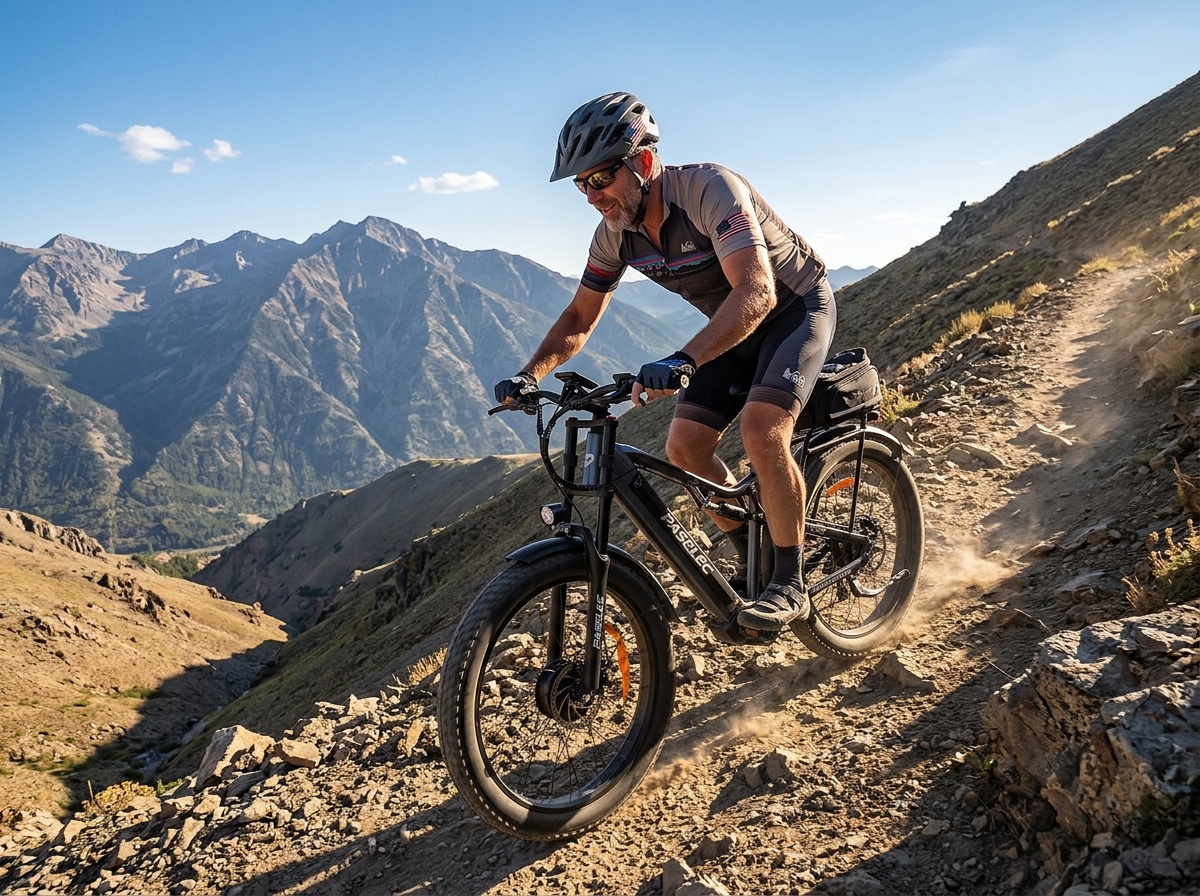
Electric mountain bikes—often called e-MTBs—have exploded in popularity across the United States, opening up more terrain and allowing riders of all levels to enjoy longer, more dynamic adventures. But riding an e-MTB isn’t the same as riding a traditional mountain bike. The extra power, weight, and speed require unique handling skills and trail awareness.
Whether you're exploring the rocky landscapes of Colorado, the loamy forests of the Pacific Northwest, or desert singletrack in Arizona, mastering these techniques will help you ride safer, faster, and with more confidence.
1. Understand Your Assist Modes
Most U.S.-legal e-MTBs come with Eco, Trail, and Boost (or similar) power modes.
-
Eco Mode: Best for long rides, mellow climbs, and maximizing battery life.
-
Trail Mode: Ideal for varied terrain—roots, rocks, rolling climbs—because it delivers adaptive power.
-
Boost/Turbo Mode: For steep, punchy climbs or when you need quick acceleration.
Tip: On unfamiliar U.S. trails with long distances between trailheads, start in Eco to preserve battery.
2. Master Low-Speed Control
Because e-MTBs are heavier, low-speed balance matters even more—especially on tight switchbacks common in states like Utah and Montana.
-
Keep your chest low and elbows out.
-
Feather the brakes gently—no sudden grabs.
-
Use the motor’s smooth torque to ease around tight corners.
3. Climbing with Motor Assist
Climbing is where e-MTBs shine. The trick is to use the power efficiently.
Body Position
-
Keep your weight forward to maintain front-wheel traction.
-
Slide slightly forward on the saddle during steep pitches.
Cadence Matters
E-MTB motors perform best at a steady, higher cadence (70–90 RPM).
Avoid slow, grinding pedal strokes—they waste battery and reduce efficiency.
4. Descending on a Heavier Bike
E-MTBs can be 10–20 pounds heavier than analog bikes. This changes descending dynamics.
Braking
-
Start braking earlier than usual.
-
Use strong front-back brake balance, especially on dusty Southwestern trails.
Body Position
-
Stay lower and more centered over the bike.
-
Let the bike move beneath you—maintaining a loose, athletic stance.
Momentum
Use the extra weight to your advantage. E-MTBs hold momentum well in rock gardens and berms.
5. Managing Battery Life on Long U.S. Rides
American trail networks—like those in California or Colorado—often include long approaches or multi-hour loops.
-
Lower assist modes extend range dramatically.
-
Avoid unnecessary Boost mode on rolling terrain.
-
Cold weather (common in northern states) drains batteries faster—plan accordingly.
Pro Tip: Many riders carry a compact range extender if allowed by local regulations.
6. Respect Local Regulations
Not all U.S. trails allow e-MTBs.
Some federal and state lands restrict them except on motorized routes.
Before you ride:
-
Check Class 1 e-MTB access rules. (These are pedal-assist only, no throttle.)
-
Look for land-manager guidelines from the National Park Service, Bureau of Land Management, or local trail associations.
Staying informed keeps trails open for everyone.
7. Use Momentum for Technical Features
On rocky trails like those in Sedona or Moab:
-
Approach obstacles with steady pedal pressure.
-
Let the motor help you maintain consistent forward motion.
-
Lift the front wheel using technique—not brute strength—to avoid pedal strikes.
Practice timing your power delivery so the motor engages smoothly before a technical move.
8. Improve Cornering with Smooth Assist Control
Because the motor adds torque, jerky pedaling can cause wheel spin.
Try this:
-
Enter corners with even pedal pressure.
-
Choose appropriate assist mode to avoid overpowering the rear wheel.
-
Focus on looking through the turn and keeping the bike leaned, not your body.
9. Trail Etiquette for Shared U.S. Trails
The extra speed of e-MTBs means etiquette is crucial.
-
Yield to hikers and horses.
-
Announce your presence when approaching slower riders.
-
Don’t ride above your control level—speed-related accidents create trail conflicts.
10. Build Fitness and Technique—Don’t Rely on the Motor
Even though the motor helps, the best e-MTB riders still focus on:
-
Core strength
-
Balance drills
-
Technical handling
-
Braking practice
A skilled rider uses the motor to enhance ability, not replace it.
Final Thoughts
Electric mountain bikes are transforming the U.S. riding scene, allowing more people to access stunning backcountry trails and explore further than ever before. With the right techniques—balancing motor assist, improving control, and respecting trail rules—you can push your riding to a new level while keeping the experience fun and sustainable.
Share:
How to Maintain Your eBike: A Complete Guide for Riders in the U.S.
How to Buy an E-Bike in the U.S. at a Cheaper Price During Winter